Periodic Table |
 |
 |
 |
 |
 |
 |
 |
| What is the Periodic Table Showing? | Periodicity |
The INTERNET Database of Periodic Tables
There are thousands of periodic tables in web space, but this is the only comprehensive database of periodic tables & periodic system formulations. If you know of an interesting periodic table that is missing, please contact the database curator: Mark R. Leach Ph.D. The database holds information on periodic tables, the discovery of the elements, the elucidation of atomic weights and the discovery of atomic structure (and much, much more).
| Year: 2018 | PT id = 907, Type = review |
Alphabet of Chemistry
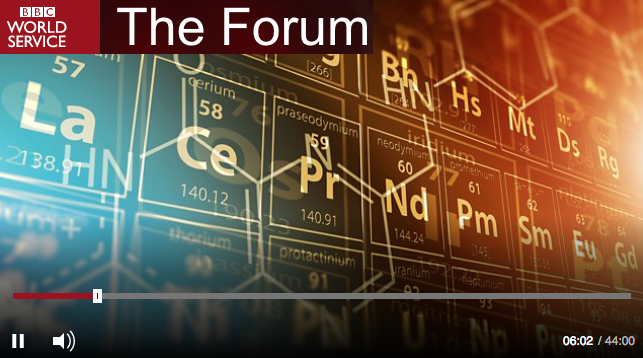
A BBC World Service radio program, first broadcast Tue 23 Jan 2018.
The Russian chemist Dmitri Mendeleev attempted nothing less than to pull apart the fabric of reality and expose the hidden patterns that lie beneath everything in existence, from shoes and ships and sealing wax to cabbages and kings. The result was something known to almost everyone who has ever been to school: the Periodic Table of the elements. But why this particular arrangement? And why is it still the foundation of chemistry?
The presenter Quentin Cooper is joined by:
- Hugh Aldersey-Williams, who since he was a teenager, has collected samples of elements and has drawn on his samples and knowledge to write Periodic Tales: The Curious Lives of the Elements.
- Michael Gordin, Professor of History at Princeton University and the author of A Well-Ordered Thing: Dmitri Mendeleev and the Shadow of the Periodic Table.
- Ann Robinson, Historian at the University of Massachusetts studying the development of the periodic table.
- Eugene Babaev, Professor of Chemistry at Moscow State University who maintains both Russian and English websites on Mendeleev and his work.
|
|
|
| What is the Periodic Table Showing? | Periodicity |
© Mark R. Leach Ph.D. 1999 –
Queries, Suggestions, Bugs, Errors, Typos...
If you have any:
Queries
Comments
Suggestions
Suggestions for links
Bug, typo or grammatical error reports about this page,please contact Mark R. Leach, the author, using mark@meta-synthesis.com
This free, open access web book is an ongoing project and your input is appreciated.